
Middlesex College Dental Hygiene Program
How Real-World Clinical Training is Shaping Community Health
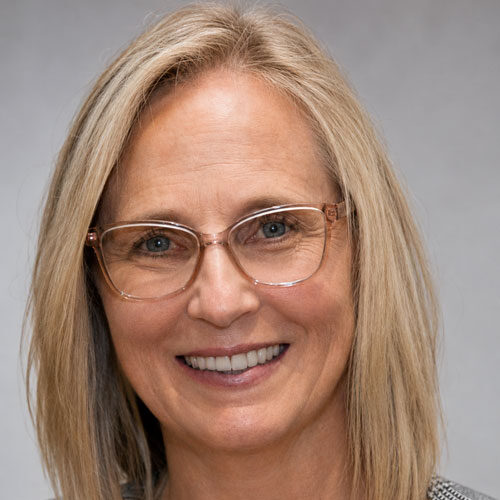
As the demand for preventive oral healthcare continues to grow, dental hygienists play a critical role in helping patients maintain lifelong oral health. The Dental Hygiene Program at Middlesex College prepares students for this rewarding profession through a comprehensive education that blends scientific knowledge, clinical expertise, and a commitment to compassionate patient care. Graduates leave equipped not only to provide high-quality dental hygiene services, but also to serve as advocates for oral health within their communities. “Our program has been serving students and the community for more than 50 years, with the first cohort beginning in 1970 and graduating in 1972,” says Michelle Roman, RDH, Ed.D., Chairperson, Dental Hygiene, Middlesex College. “While our original mission was to provide comprehensive, affordable education that led to meaningful careers while addressing community oral health needs, the program has grown significantly over the decades.
“Today, we do much more than prepare students to pass their board exams and enter practice. Through our on-campus clinic and extensive community partnerships, students gain hands-on experience providing preventive oral healthcare, conducting screenings, delivering educational presentations, and connecting patients with specialized care when needed. Many of the patients we serve have been coming to our clinic for years because it offers affordable preventive services, including exams and X-rays, for between $15 and $30. That commitment to accessibility remains at the heart of what we do.”
Over the years, Middlesex has expanded opportunities for students to provide care in a variety of settings, including hospitals, community health centers, and schools, allowing them to make a meaningful impact throughout New Jersey. That growth reflects the sustained commitment and leadership of Roman, whose vision and dedication have helped shape and strengthen the program’s community partnerships. “We have partnered with a number of organizations throughout New Jersey, giving students the opportunity to provide preventive oral healthcare in diverse settings,” shares Roman. “Our students have gained experience at the VA Hospital Dental Clinic in Lyons, and today they continue to work alongside professionals at Robert Wood Johnson Barnabas Health in New Brunswick and the Zufall Health dental clinic in Flemington. We also partner with the Educational Services Commission of New Jersey, where students provide care to children with intellectual and developmental disabilities under the supervision of our faculty. These experiences expose students to a wide range of patient populations while reinforcing the importance of accessible, community-focused oral healthcare.”
We're always looking for opportunities to strengthen both the educational experience for our students and the services we provide to the community. Community health is an important part of our curriculum, and we're constantly exploring how we can reach underserved populations that may have limited access to oral healthcare. Looking ahead, I'd love to see us expand into nursing homes and long-term care facilities, where oral health needs are often overlooked. We're also fortunate to receive Perkins Grant funding and a Delta Dental Grant, which has allowed us to invest in equipment that makes community outreach possible. Through those grants, we've been able to purchase mobile dental chairs, portable dental units, and mobile X-ray equipment, giving our students the ability to bring preventive care directly to schools and other community settings. Those resources have helped us extend our reach beyond campus and make a meaningful difference for populations that might otherwise go without care.”
– Michelle Roman, RDH, ED.D.
Chairperson, Dental Hygiene
Middlesex College
Expanding Access to Critical Care
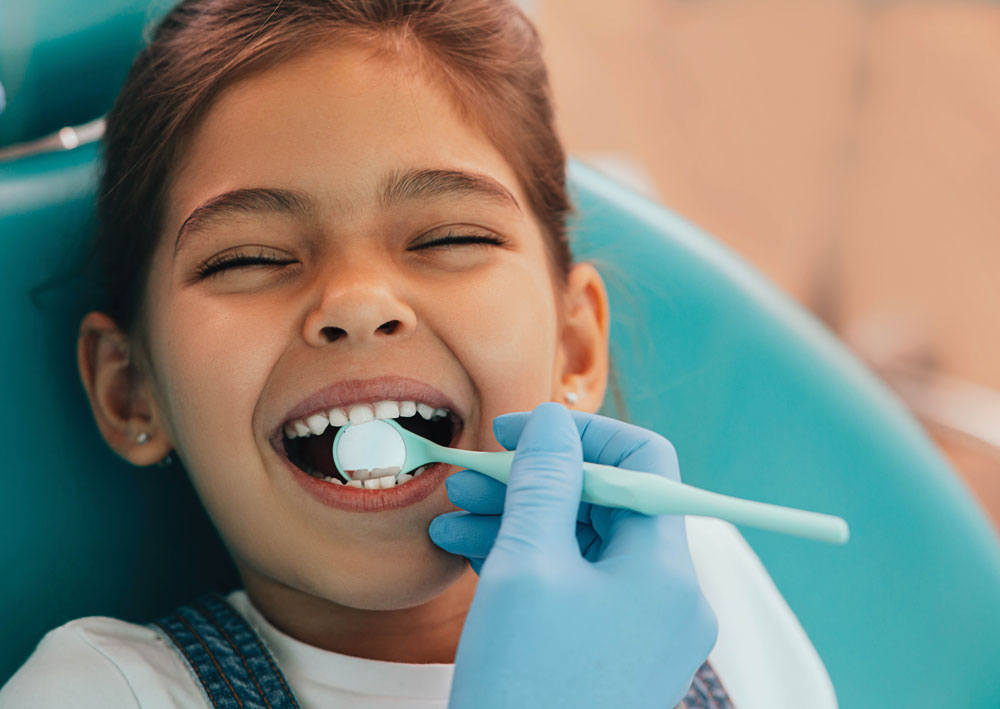
For many individuals and families, access to dental care remains one of the biggest gaps in the healthcare system, leaving preventive services out of reach until serious problems arise. “The need for affordable, accessible dental care in our community is tremendous,” explains Roman. “Many of the people we serve are older adults living on fixed incomes without dental insurance, while others face barriers related to income, transportation, or disability. Through our partnerships with organizations like the Educational Services Commission of New Jersey, we're also able to bring preventive oral healthcare directly to children with intellectual and developmental disabilities who might otherwise go without care. In some cases, it's the first time these children have ever seen a dental professional.
“We also work with Acelero Head Start, where children from low-income families come to our clinic for exams and preventive services that they may not otherwise receive,” continues Roman. “Our goal is to meet patients where they are, whether that's in a school, a community setting, or our clinic, and provide preventive care before small oral health issues become larger, more painful, and more costly problems. When we can help prevent disease, we're improving quality of life while reducing future healthcare burdens for individuals and families.”
As community needs evolve, the program continues to look for new ways to expand access to care while enhancing students' educational experiences. “We're always looking for opportunities to strengthen both the educational experience for our students and the services we provide to the community,” says Roman. “Community health is an important part of our curriculum, and we're constantly exploring how we can reach underserved populations that may have limited access to oral healthcare. Looking ahead, I'd love to see us expand into nursing homes and long-term care facilities, where oral health needs are often overlooked. We're also fortunate to receive Perkins Grant funding and a Delta Dental Grant, which has allowed us to invest in equipment that makes community outreach possible. Through those grants, we've been able to purchase mobile dental chairs, portable dental units, and mobile X-ray equipment, giving our students the ability to bring preventive care directly to schools and other community settings. Those resources have helped us extend our reach beyond campus and make a meaningful difference for populations that might otherwise go without care.”
Providing Real-World Training
The Dental Hygiene Program uses a community-focused model that benefits patients, but also gives students an educational experience that extends far beyond traditional classroom learning. “Our students learn in a real clinical environment from the very beginning, which means they're caring for actual patients with real oral health needs rather than simply practicing skills in a lab setting,” explains Roman. “That experience builds technical competence and develops the qualities that define exceptional healthcare professionals, like communication, empathy, cultural awareness, and patient management. Because we serve such a diverse community, students encounter people from many different backgrounds and life circumstances, which broadens their perspective and helps them understand the barriers some individuals face in accessing care.
“They see firsthand the impact they can have on a person's health and quality of life. Experiences like our work with children with intellectual and developmental disabilities are especially meaningful because students learn how to provide compassionate, effective care to populations they may encounter throughout their careers. By the time they graduate, they aren't just prepared to practice dental hygiene, they understand the importance of service, advocacy, and meeting patients where they are.”
Students work closely with faculty who guide their development of both technical skills and patient communication. “What makes the experience so powerful is that students can actually see the impact they're having,” shares Roman. “A patient may come into the clinic having never been to a dentist before or not understanding how oral health is connected to overall health. Then, over time, students get to see that patient become more educated and start adopting some of the recommendations they've made. Sometimes patients even ask to come back and see the same student the following semester. When students see that kind of progress, everything they're learning in the classroom and clinic comes together. It helps them build a strong sense of professional identity and take pride in the difference they're making in people's lives.”
Along with many other states in the U.S., New Jersey has experienced a significant shortage of dental assistants and hygienists in recent years. “There is definitely a workforce shortage, not just in New Jersey but across the country,” says Roman. “For every five dental hygiene positions that are open, employers are probably lucky if they can fill one. While that's challenging for dental practices, it's incredibly positive for our students. Because they're so well prepared through our program, many of them have jobs lined up before they even graduate. Our faculty do an outstanding job preparing students for private practice, and employers know that. Even with several new dental hygiene programs expected to open in the state over the next few years, the shortage is still expected to continue. As a result, our graduates are highly sought after. In fact, many of them have more opportunities than they have time to accept. They leave the program with excellent employment prospects, competitive wages, and the confidence to step directly into the profession.”
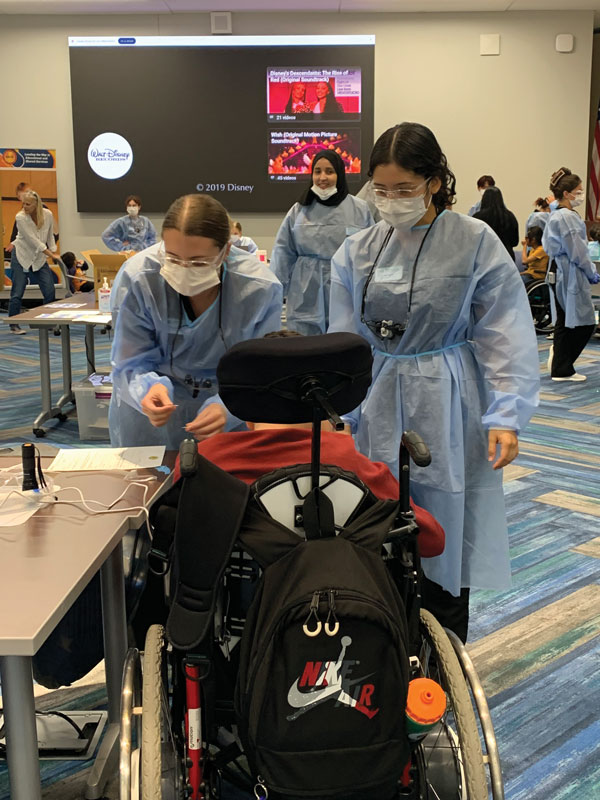
ESCNJ Fall Screening
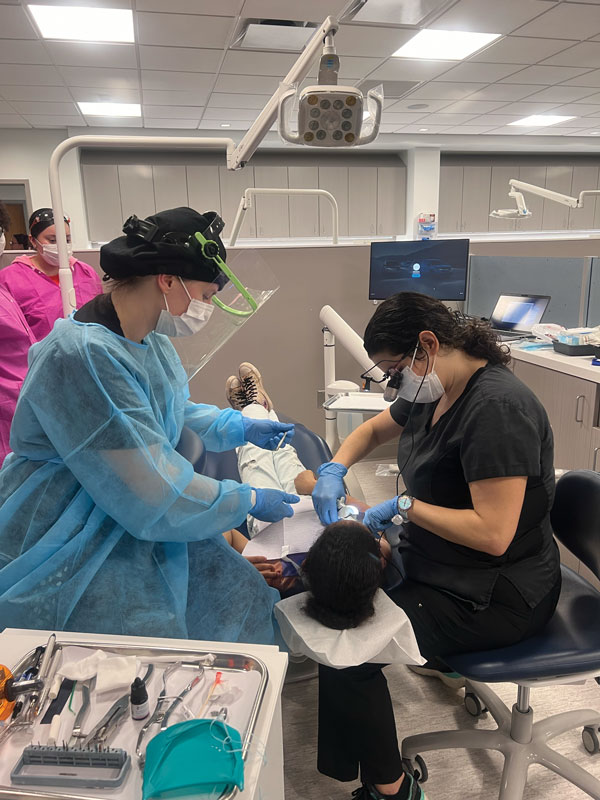
Give Kids A Smile Event
Preschool Teledentistry Screening
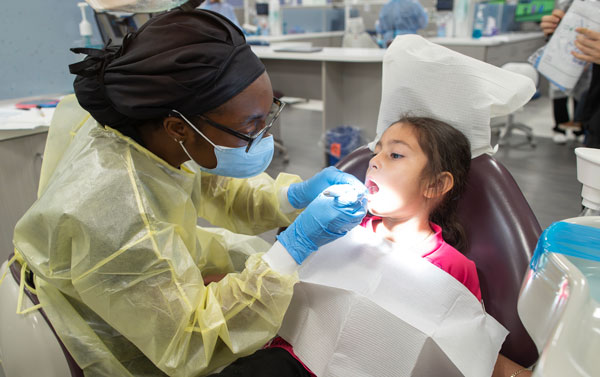
Head Start 2024
“Programs like Middlesex College’s Dental Program represent the very best of higher education’s public mission. They create pathways for students into meaningful and high demand careers while simultaneously expanding access to critical healthcare services for underserved communities. At Edge, we are incredibly proud to support institutions like Middlesex College whose leadership continues to demonstrate how education, service, and community impact can work hand in hand to strengthen New Jersey’s future.”
– Christopher R. Markham, Ph. D. (c)
President and Chief Executive Officer
Edge

Broadening the Program’s Reach
Behind the program's success is a strong institutional commitment to student achievement, community impact, and workforce development. “Our program is not a revenue generator for the College, so maintaining a high-quality clinical program requires a real commitment from leadership,” says Roman. “President McCormick has been incredibly supportive and has helped create an environment where community impact, student success, and workforce preparation are truly valued. Those priorities align directly with Middlesex's mission and strategic goals. Running a clinical program requires ongoing investment in faculty, equipment, technology, supplies, compliance, and community partnerships, but President McCormick understands the value of that investment. He's also been an advocate for our program. In fact, he helped connect us with the Educational Services Commission of New Jersey, which led to a wonderful partnership that continues to benefit both our students and the community.”
“What started as a simple introduction grew into an opportunity to provide preventive oral healthcare to children who might otherwise have limited access to care,” continues Roman. “President McCormick regularly highlights our accomplishments, attends community events, and takes pride in the work we're doing. That support matters; it makes our faculty and students feel seen and valued while reinforcing the importance of our mission. Each year, our clinic provides over $300,000 worth of preventive oral healthcare services to the community while preparing students for successful careers. We couldn't do that without the support of our college leaders, the Board of Trustees, and a faculty team that is deeply committed to student success.”
For the Dental Hygiene Program, measuring success goes well beyond traditional academic metrics and requires a comprehensive look at outcomes across patients, students, and the broader community. “As an accredited program, we're required to perform outcomes assessments, where we evaluate patient visits and patient satisfaction through surveys, and track student success through graduation rates and board pass rates since students must pass a licensing exam to practice. We also follow up with alumni to see how they're doing in the workforce and gather feedback from employers. Additionally, we measure community impact—whether we're providing preventive care or delivering oral health education in schools, long-term care settings, and other community sites. Students and participants complete surveys on those presentations so we can assess their effectiveness.
“All of that data is collected and reviewed annually to see whether we're meeting our benchmarks. If we aren't, we make changes to strengthen the program's impact for the community and for our students. But the numbers only tell part of the story. The real impact is in the lives behind them. When you see students graduate, step into full-time roles, and earn strong, competitive wages—the median salary for dental hygienists is over $108,000—you see how dramatically their circumstances can change. We've had students who were on the verge of losing their homes, and after graduating and entering the workforce, they were able to stabilize their families and keep their homes. Others rely on the college food pantry while they're in the program, and then go on to build financial security after graduation. So while we absolutely track data and benchmarks, the most meaningful measure of success is seeing how this program changes people's lives. At the end of the day, we're working with people, not just numbers, and those relationships stay with you.”
“What makes the experience so powerful is that students can actually see the impact they're having. A patient may come into the clinic having never been to a dentist before or not understanding how oral health is connected to overall health. Then, over time, students get to see that patient become more educated and start adopting some of the recommendations they've made. Sometimes patients even ask to come back and see the same student the following semester. When students see that kind of progress, everything they're learning in the classroom and clinic comes together. It helps them build a strong sense of professional identity and take pride in the difference they're making in people's lives.”
– Michelle Roman, RDH, ED.D.
Chairperson, Dental Hygiene
Middlesex College
Building Workforce Pipelines and Academic Pathways
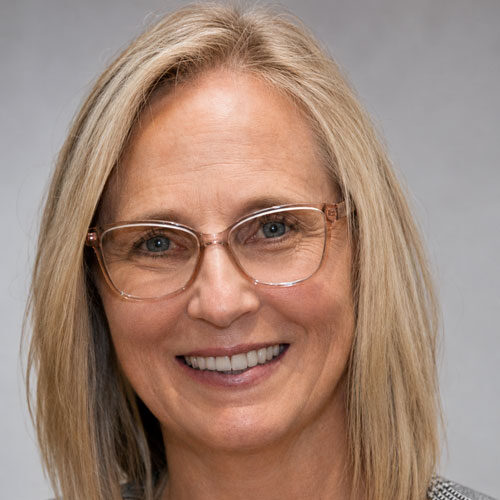
The role of community colleges in higher education continues to evolve, and the Dental Hygiene Program offers a clear example of how these institutions can serve both workforce pipelines and pathways to further academic advancement. “This program shows how community colleges can be at their best,” says Roman. “We are absolutely a workforce pipeline by preparing students for a respected career in healthcare where they are serving the community, supporting local employers, and improving public health. At the same time, we also provide access to higher education and transfer pathways. We have articulation agreements with institutions like the University of Bridgeport and Thomas Edison University, which allow students to seamlessly continue their education after completing our 73-credit program.
 “Many of our students choose to work first, earn a strong income, and then return to complete a bachelor’s degree or graduate degree. Even without formal agreements, other universities such as Rutgers School of Health Professions and the University of Wilmington also accept our credits. We encourage that progression. While some graduates are ready to enter the workforce immediately, the majority do continue their education. Our program reflects community colleges at their best: two years of focused, hands-on education that is a launchpad for careers, continued education, and long-term professional success.”
As an Edge member, Middlesex College is recognized for its institutional commitment to advancing not only student success, but also public service and community wellbeing. “Programs like Middlesex College’s Dental Program represent the very best of higher education’s public mission,” says Christopher Markham, President & CEO, Edge. “They create pathways for students into meaningful and high demand careers while simultaneously expanding access to critical healthcare services for underserved communities. At Edge, we are incredibly proud to support institutions like Middlesex College whose leadership continues to demonstrate how education, service, and community impact can work hand in hand to strengthen New Jersey’s future.”
Sustaining that mission over time involves more than alignment with workforce and academic goals. Ongoing success of the program also requires resilience in the face of changing enrollment, funding, and healthcare demands. “Ultimately, resilience for the Dental Hygiene Program comes down to adaptability, commitment, and shared responsibility,” shares Roman. “We have to continue to show our worth, as well as seek additional funding. Everyone in the program has to take pride in keeping it strong and ensuring its longevity. We've been here for over 50 years, and the goal is to be here for another 50. That means collaboration between faculty, leadership, and staff. We're also looking ahead to growth, including new healthcare programs through the College’s emerging Division of Health Professions, which will help us continue meeting community needs. Health careers like dental hygiene will continue to be essential. Even as technology evolves, there will always be a need for skilled practitioners providing care in the chair. That’s the resilience of this work—staying responsive, growing with demand, and remaining rooted in community service even through periods of change or uncertainty.”